In the era of Industry 4.0, automation is no longer a luxury reserved for tech giants. It is the strategic heart of every modern factory. But what exactly lies behind this concept, and how does it translate into tangible profits?
What does industrial automation entail?
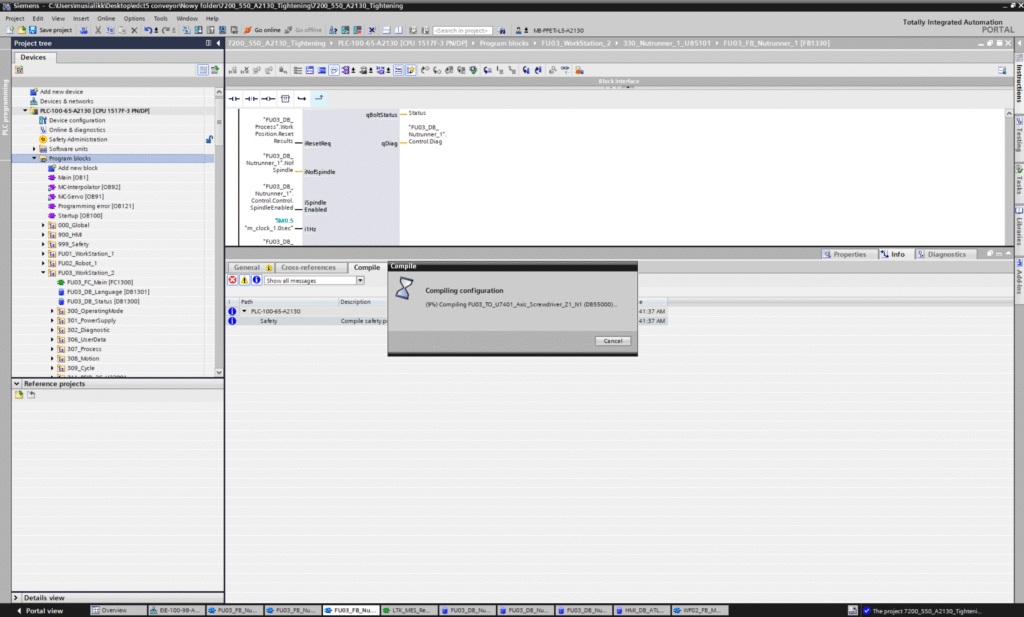
In simplest terms, industrial automation is the use of control systems (such as computers or PLC controllers), robots, and information technologies to manage processes and machinery. Its goal is to replace or significantly support human physical and mental labor in repetitive, difficult, or hazardous tasks.
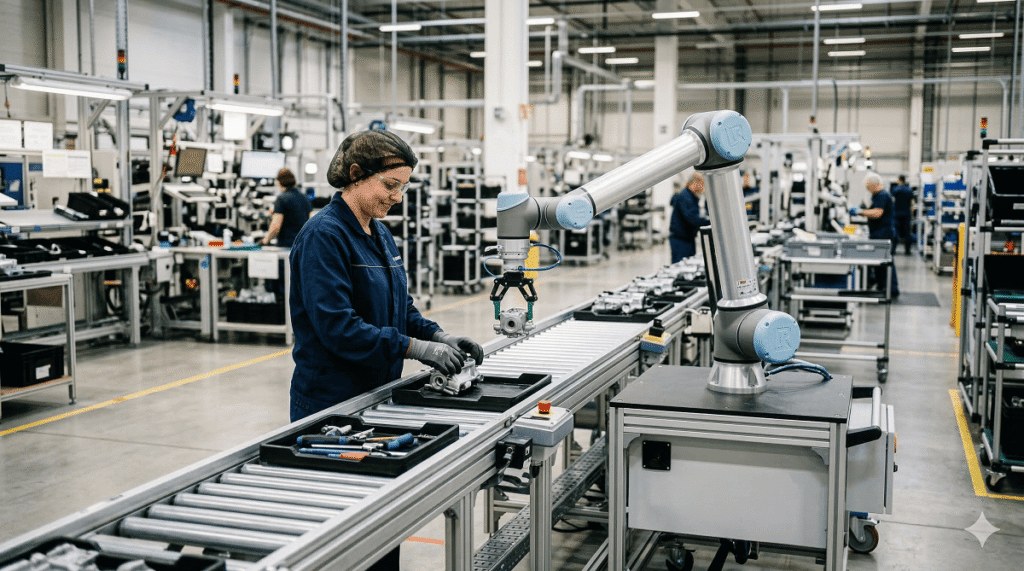
In practice, this means transitioning from a model where a human operates a machine to one where a human supervises an intelligent system that performs work autonomously with the highest precision.
Process evolution: from simple machines to intelligent systems
The history of automation is a fascinating journey. We began with mechanization, moved through electrification, and reached a point where factories became hubs of technological progress. Today, where millimeter precision is required, Programmable Logic Controllers (PLCs) reign supreme.
The key to success, however, is not just the hardware, but professional industrial automation system design, which allows all components to be integrated into a single, high-performing organism.
Robotization: precision in every inch
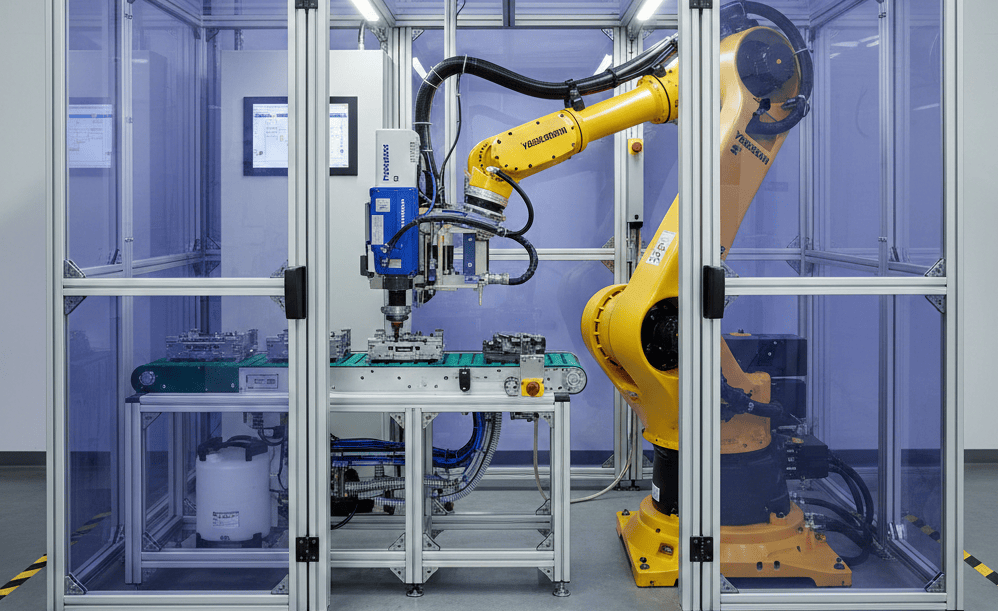
Robotization is the primary driver of today’s changes. Modern industrial robots support us in tasks requiring the highest levels of repeatability. A perfect example is the automation of the welding process—welding robots produce seams of consistent, superior quality, eliminating human error and improving safety in harsh conditions.
Another example is the automation of bonding and gluing processes. Precise dispensing of adhesives by automated systems allows for significant raw material savings and guarantees the leak-tightness and durability of connections—crucial in industries such as automotive or household appliances (white goods).
We are able to automate more processes more effectively using modern production solutions, which yields significant benefits for the enterprises implementing them.
Why implement automation in your company?
Implementing automation systems is a “bullseye” from a business strategy perspective:
- Maximizing efficiency: Machines operate 24/7 without drops in concentration.
- Cost reduction: Elimination of waste through precision and the implementation of predictive maintenance.
- Safety: Removing employees from the most strenuous and high-risk tasks.
- Flexibility: Modern lines allow for lightning-fast changeovers to meet new market demands.
Benefits at a glance
| Feature | Before automation | After automation |
|---|---|---|
| Repeatability | Dependent on employee performance | Constant, independent of operating time |
| Unit costs | High (large share of manual labor) | Low (resource optimization) |
| Cycle time | Variable | Predictable and optimized |
| Safety | Exposure to harmful factors | Full isolation of the worker from hazards |
How to begin the transformation?
Automation requires a plan. Effective implementation is divided into several stages:
- Audit and analysis – Identifying bottlenecks in the plant.
- Technology selection – Choosing the right robots, grippers, and sensors.
- Integration – Connecting execution systems with management software (e.g., ERP).
Checklist: Is Your Facility Ready for Automation?
Before contacting a systems integrator, it is worth addressing several questions that will help tailor the solution to your specific needs:
- Where is our “bottleneck”? – Is production being throttled by assembly, or perhaps by packaging and logistics?
- Which processes are the most repetitive? – These (e.g., welding or bonding/gluing) are the primary candidates for robotization in the first phase.
- What is our current infrastructure? – Do we have an ERP system in place that can be integrated with new automation systems?
- What is our primary objective? – Are we prioritizing increased throughput (volume), or are we focused on enhancing product quality and repeatability?
Summary: automation is an investment in the future
Production automation is not just a passing trend—it is the only way to remain competitive in a dynamic market. Companies investing today in robotization and modern control systems are building the foundations for long-term success, flexibility, and resilience against labor shortages.
Want to see how automation can transform your facility? Our priority is delivering solutions that truly pay for themselves. Let’s discuss how we can optimize your processes!